
Media
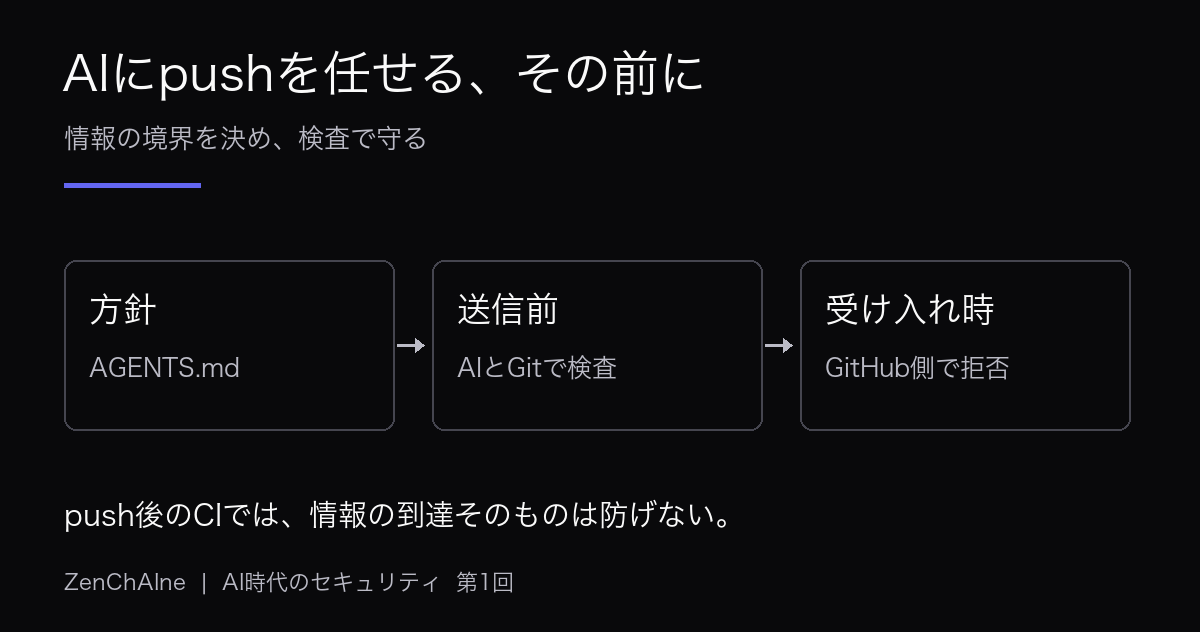
Preventing Accidental GitHub Data Leaks in AI-Assisted Development
GitHub leak prevention starts by deciding what may enter Git and AI systems for each project, then enforcing that boundary before transmission. Real incidents and changes on both sides explain AGENTS.md, agent and Git hooks, push protection, and credential revocation.

GPT-6 Astra Best Practices: Sharing AGENTS.md and Skills with Fable 5.1
Shared agent instructions define working practices for multiple AI agents. Explore OpenAI's GPT-6 Astra best practices and how to share AGENTS.md and skills with Fable 5.1, keeping persistent rules concise and loading task-specific details when needed.
Claude Fable 5 Quality Is Bottlenecked by Your Unknowns: A Walkthrough of Anthropic's Field Guide
"A field guide to Claude Fable 5: Finding your unknowns" is Anthropic's official guide, published July 6, 2026, on surfacing the unknowns that cap the quality of agentic work. We walk through the map-and-territory framing, the four categories of unknowns, and all eight prompt patterns.
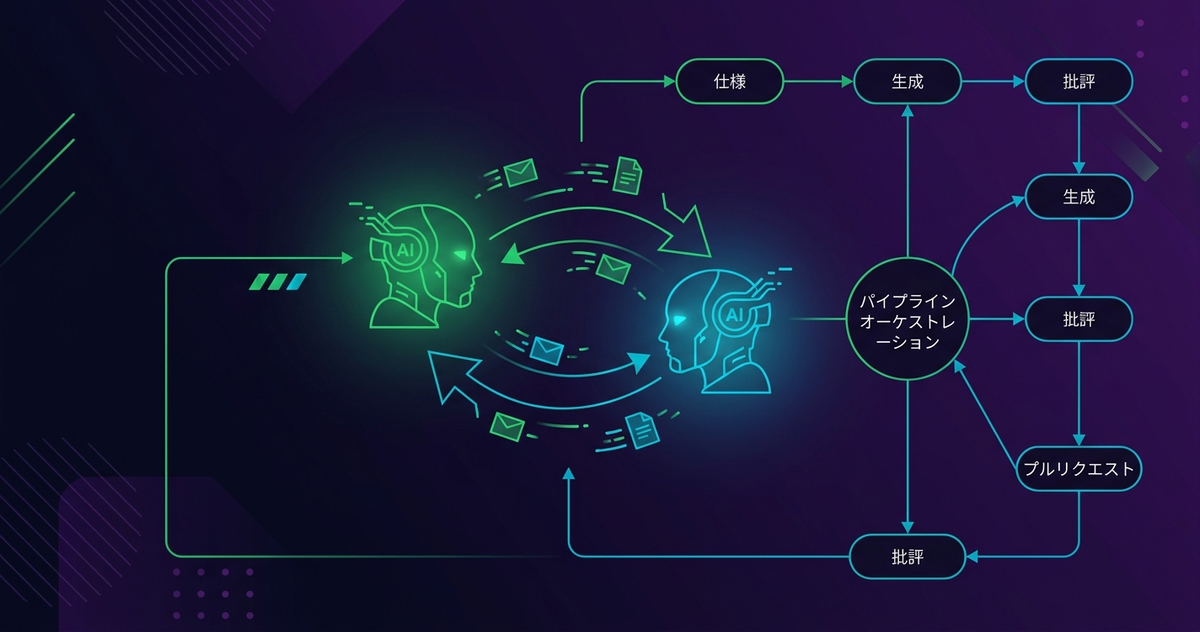
spec-orchestrate: A GAN-Loop Pipeline That Drives a GitHub Issue to a Ready PR on Its Own
spec-orchestrate is an open-source skill that drives a GitHub Issue through spec generation, adversarial review, implementation, acceptance testing, and PR creation as one pipeline. Covers its GAN-lite Claude-vs-Codex loop, stall detection, and evidence-first verification, with first-run data.
Claude Code Ships ultracode: xhigh Reasoning + Dynamic Workflows That Orchestrate Hundreds of Parallel Agents
Anthropic's ultracode setting (Claude Code v2.1.154+, May 28, 2026) pairs xhigh reasoning with dynamic workflow auto-orchestration that fans out 10s to 100s of parallel subagents. Covers triggers, runtime limits, Bun's Zig-to-Rust port, and how it relates to agent-skills' spec-implement.
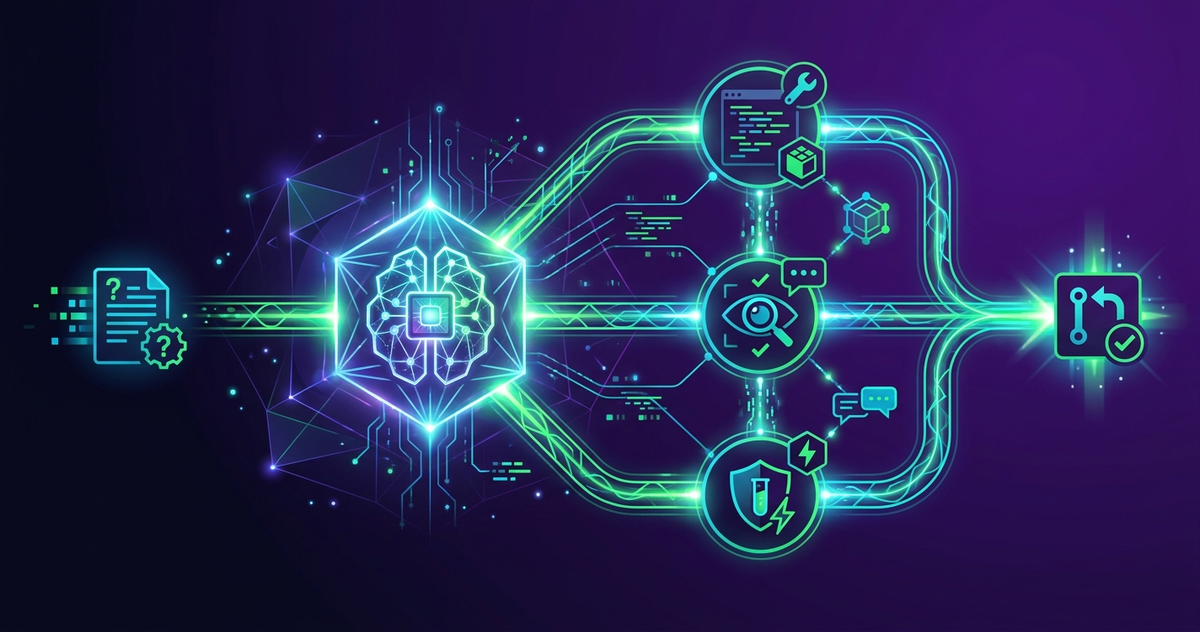
Spec-Driven Development in Practice #3: Implementation — Orchestrate to a PR with spec-implement
Final part of the agent-skills practical guide. spec-implement orchestrates spec-code, spec-review, and spec-test to drive an Issue to a PR with automated fix loops, plus Codex / Claude Code / cmux dispatch modes.
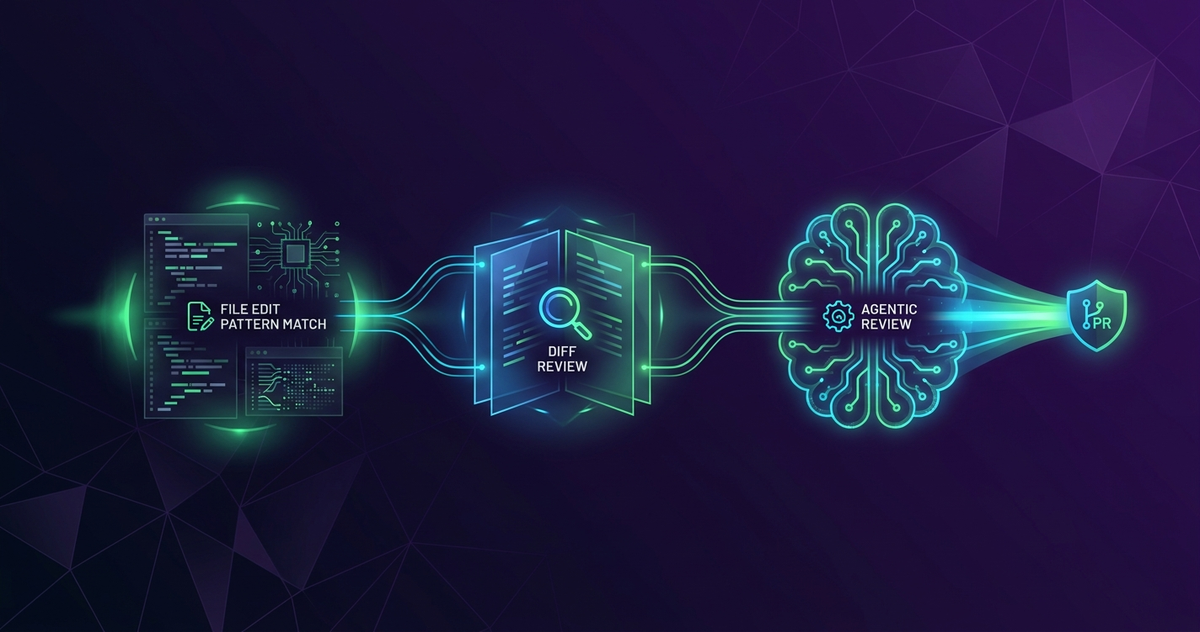
Anthropic Ships security-guidance Plugin for Claude Code: Three-Layer Reviews That Cut PR Security Comments by 30-40%
Anthropic's security-guidance plugin (May 27, 2026) runs three review layers inside Claude Code — per-edit pattern matching, end-of-turn diff review, and agentic commit review — to catch vulnerabilities before they reach a PR. Cuts security PR comments by 30-40% in Anthropic's rollout.
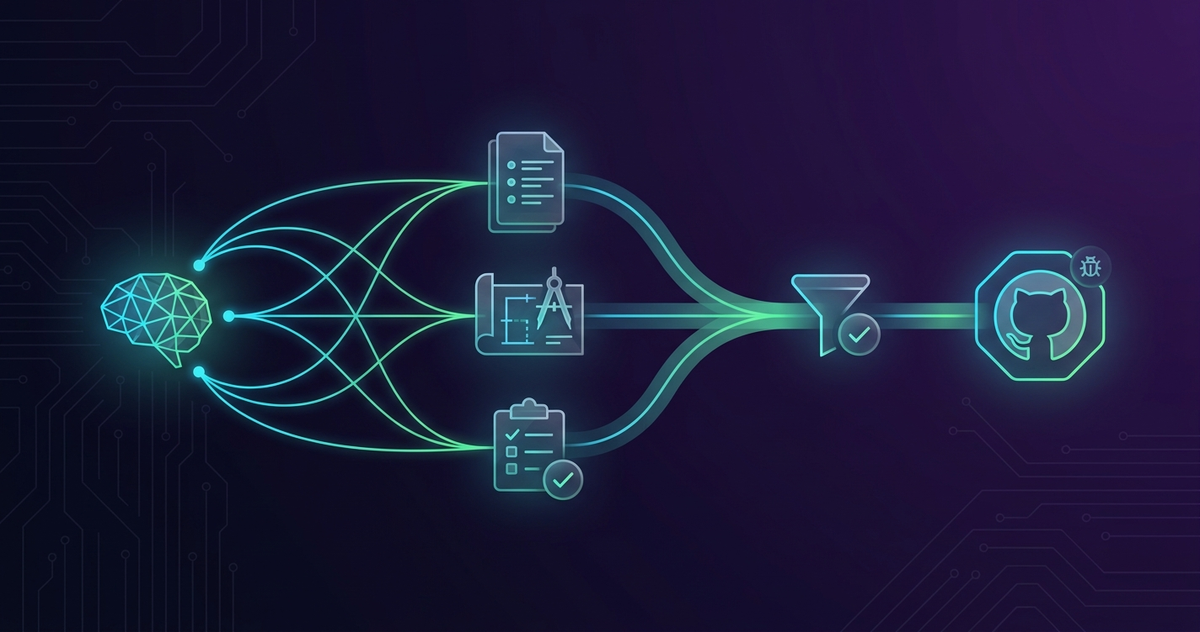
Spec-Driven Development in Practice #2: Generate, Validate, and Register Specs as GitHub Issues
Part 2 of the agent-skills practical guide. Use spec-generator to author the three-document set (requirements, design, tasks), spec-inspect to run 15 quality checks, and spec-to-issue to turn the result into a structured GitHub Issue — all in a single chained flow.

Spec-Driven Development in Practice #1: Setup — Define the Rules Your AI Should Follow
Part 1 of the practical guide to agent-skills' spec series. Use spec-workflow-init and spec-rules-init to generate issue-to-pr-workflow.md, coding-rules.md, and review_rules.md — the foundation documents that every later spec skill reads.
OpenAI's Official Codex Plugin for Claude Code — Setup and the Strategy Behind Shipping to a Rival
The Codex Plugin for Claude Code is OpenAI's official plugin that exposes `/codex:review`, `/codex:adversarial-review`, and `/codex:rescue` commands inside Claude Code. This article covers setup, usage patterns, and the market strategy behind OpenAI shipping an extension to a rival's CLI.

Introduction to Harness Engineering: Improving AI Agent Quality Through Environment Design
Harness engineering is a discipline for improving AI agent output quality and reproducibility through rules, skills, hooks, memory, and feedback. This guide covers this emerging approach after prompt and context engineering, with insights from OpenAI and Anthropic.

What Is Superpowers? The Agent Skills Framework That Turns Claude Code into a Senior Developer
Superpowers is an open-source agent skills framework that applies structured development workflows to AI coding agents like Claude Code. Through TDD, a 7-phase development pipeline, and composable skills, it dramatically improves the quality and reliability of AI-generated code.
Getting Started with Superset — Run 10+ AI Coding Agents in Parallel
Superset is a desktop application that orchestrates multiple AI coding agents in isolated Git worktrees for parallel execution. This step-by-step tutorial covers installation, workspace creation, agent execution, and code review workflows.

cmux Official Skills Deep Dive — Terminal Control, Browser Automation & Markdown Viewer
cmux official skills are instruction sets that enable AI agents to autonomously control terminal layouts, automate browser interactions, and display live Markdown previews. This article covers all commands and practical patterns for the three official skills with code examples.
Getting Things Done with cmux Alone — Pane Splitting, Built-in Browser, and lazygit
A practical guide to handling 80% of your daily development workflow in the terminal using cmux pane splitting, its built-in browser, and lazygit.
Getting Started with cmux — A Terminal Built for AI Coding Agents
cmux is a macOS-native terminal designed for AI coding agents like Claude Code and Codex. This guide covers installation, core features, and practical workflows for running multiple agents side by side.

Codex Multi-Agent Deep Dive — Can It Replace Claude Code?
A technical deep dive into OpenAI Codex's multi-agent capabilities, compared against Claude Code's Agent Teams. We examine architecture, benchmarks, and real-world usability to assess whether Codex is a true alternative.

Claude Code Auto Memory Explained: How AI Learns Across Sessions
A deep dive into the Auto Memory feature introduced in Claude Code v2.1.32 — how it works, directory structure, how it differs from CLAUDE.md, and practical tips for getting the most out of it.