
Media
Open-Sourcing agent-skills — Spec-Driven Development with AI Agents
Spec-Driven Development is a methodology where AI agents generate, validate, and convert specifications into GitHub Issues. agent-skills is an open-source skill set that implements this workflow for Claude Code, Cursor, Codex, and other AI coding agents.
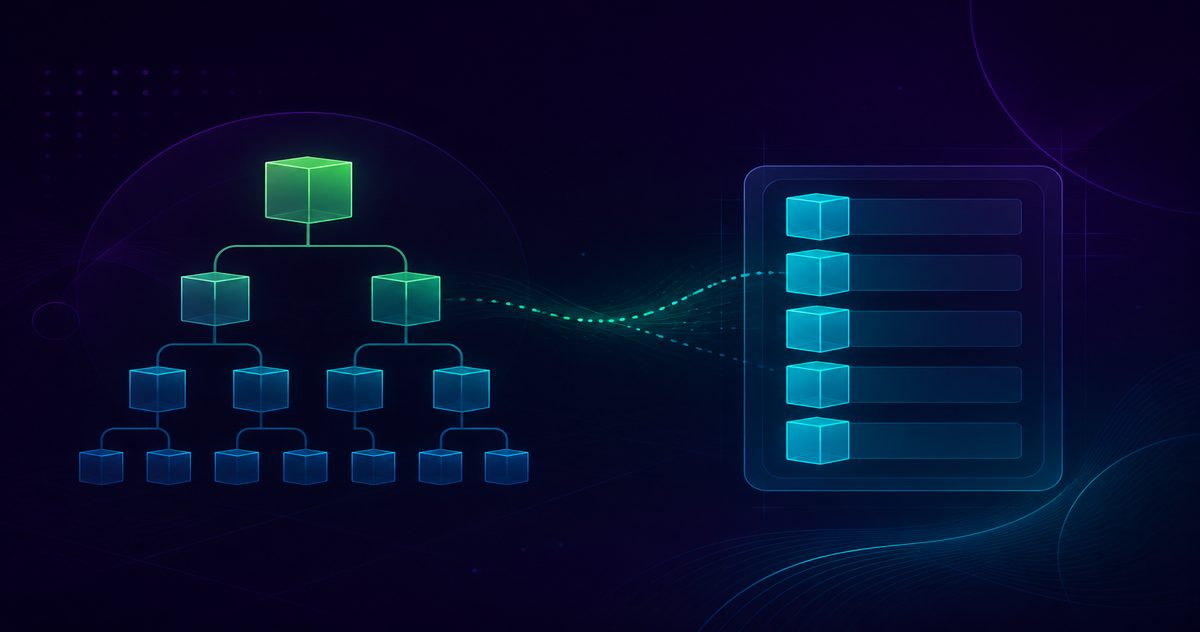
Two Trust Registry Models: Delegated Accreditation and Direct Issuer Lists
A trust registry records authority to act within an ecosystem. Compare delegated accreditation with direct issuer lists, using cheqd and Affinidi documentation, and examine revocation, TRQP, and the governance decisions behind an implementation.
What Is Gemini 4 Argon? Google's New Model Beats Claude Fable 5.1 on 15 of 17 Comparisons and Outscores GPT-6 Astra
Gemini 4 Argon is the first Gemini 4 frontier model, announced by Google on September 30, 2026. In Google's official table it beats Claude Fable 5.1 on 15 of 17 comparisons and leads 13 of 19 rows overall, at one-fifth the introductory price of Fable 5.1 and GPT-6 Astra.

What Meta's Muse Changes: Amazon's Block, Subscription Cancellations, and the Fight Over the Front Door
Meta Muse is a personal AI agent Meta launched in the US in September 2026 that shops, books, and cancels subscriptions for users. This article reviews Amazon's block, the pressure on subscription businesses, and Muse's security design, and what businesses should decide now.
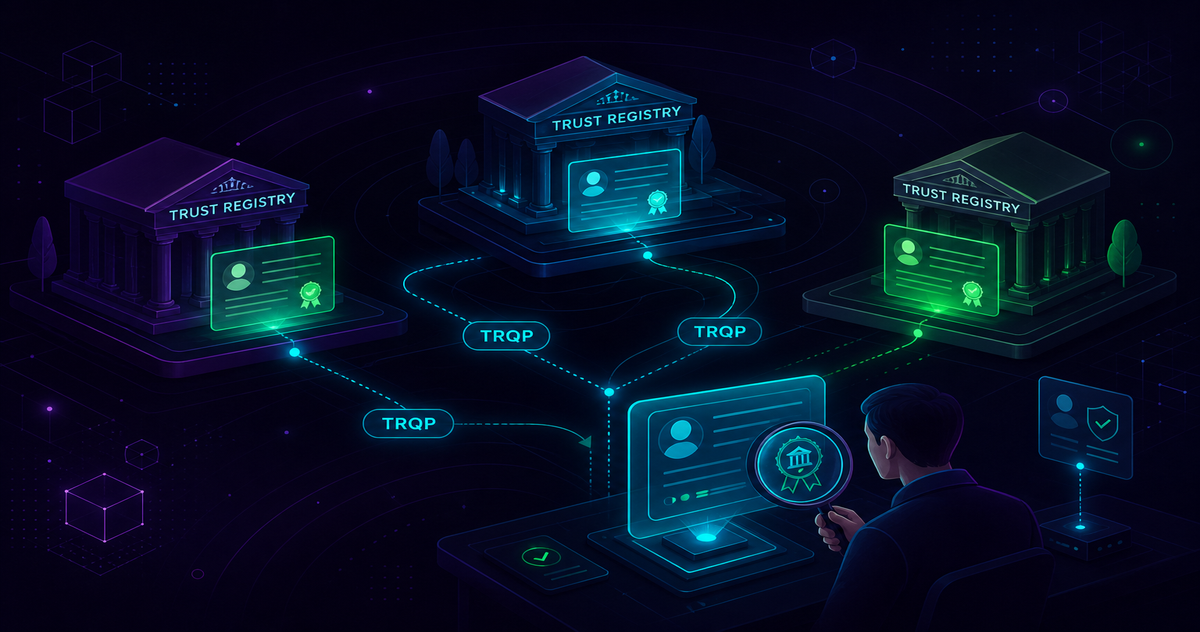
Why Trust a Credential Issuer? Trust Registries, TRQP, and Public Implementations
A trust registry makes issuer authorizations and authority recognition relationships available for verification. Learn how TRQP queries work, what Affinidi, OpenWallet Foundation Labs, and Ayra have published, and which governance decisions remain outside the protocol.

GPT-6 Astra Best Practices: Sharing AGENTS.md and Skills with Fable 5.1
Shared agent instructions define working practices for multiple AI agents. Explore OpenAI's GPT-6 Astra best practices and how to share AGENTS.md and skills with Fable 5.1, keeping persistent rules concise and loading task-specific details when needed.
Claude Fable 5 Quality Is Bottlenecked by Your Unknowns: A Walkthrough of Anthropic's Field Guide
"A field guide to Claude Fable 5: Finding your unknowns" is Anthropic's official guide, published July 6, 2026, on surfacing the unknowns that cap the quality of agentic work. We walk through the map-and-territory framing, the four categories of unknowns, and all eight prompt patterns.

GPT-5.6 vs. Claude Fable 5: Benchmarks, Pricing, and the Release-Day AI Showdown
GPT-5.6 is OpenAI's three-model family released on July 9, 2026. This analysis compares Sol, Terra, and Luna with Claude Fable 5, and follows the same-day clash involving a surprise Claude usage reset and the launch of ChatGPT Work.
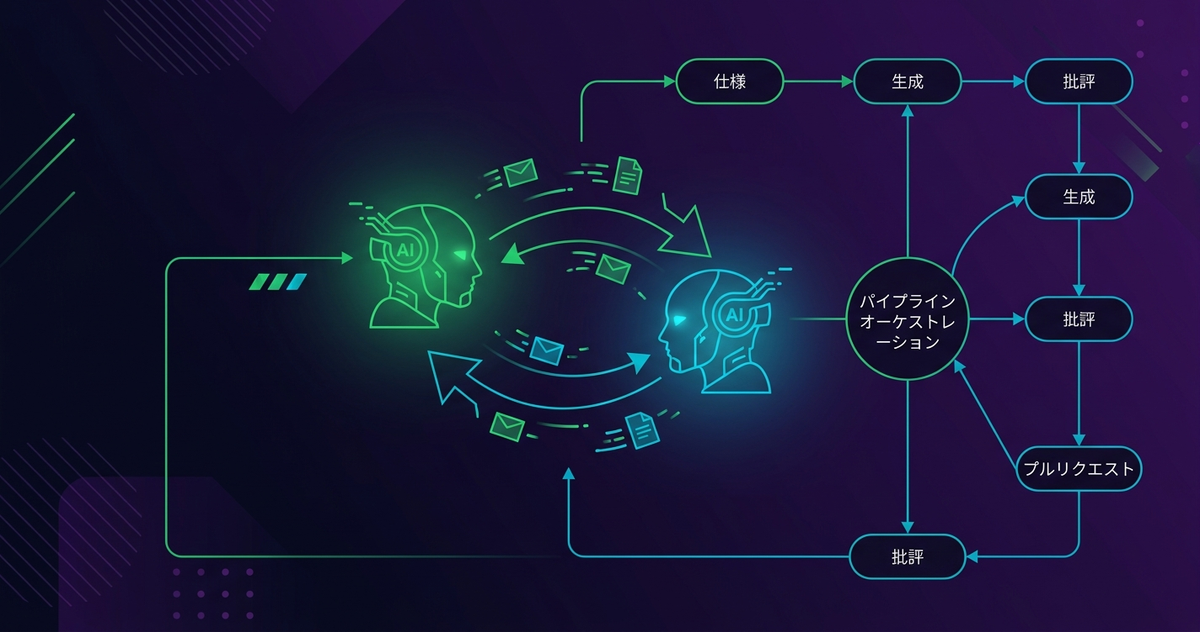
spec-orchestrate: A GAN-Loop Pipeline That Drives a GitHub Issue to a Ready PR on Its Own
spec-orchestrate is an open-source skill that drives a GitHub Issue through spec generation, adversarial review, implementation, acceptance testing, and PR creation as one pipeline. Covers its GAN-lite Claude-vs-Codex loop, stall detection, and evidence-first verification, with first-run data.

The Vanishing Apprenticeship, the Widening Market: How Software Vendors and Engineers Survive the AI Era
Survival for AI-era software vendors means taking unit-price deflation as a given, then recovering it through a widening legacy-modernization market, maintenance, and upstream judgment—while rebuilding the cost base and how juniors are trained. Drawing on the Jevons paradox and hiring data.
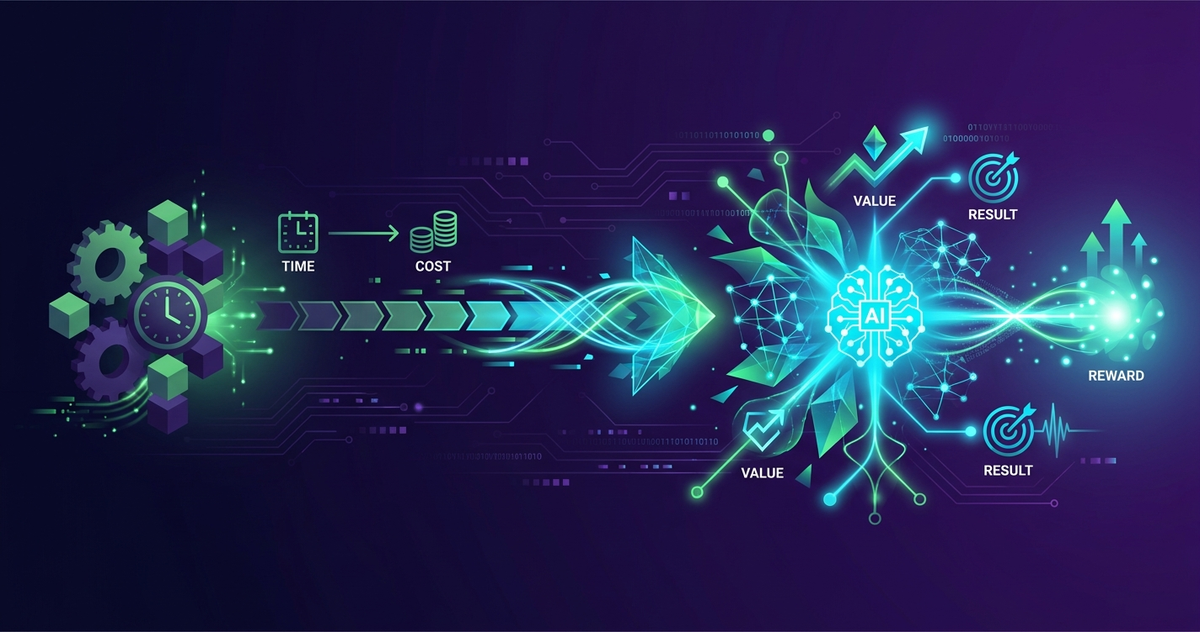
Where Does the Man-Month Go? How AI Coding Agents Are Rewriting Software Pricing
AI-era software pricing is the shift from billing for hours invested (the man-month) to charging for value and outcomes delivered. With Claude Code and Codex as a baseline, this column examines the outcome- and value-based contracts already spreading in the US and what vendors should do.

How to Build an AI-Era Estimate: The Four-Block Quote and Outcome Pricing for Non-Revenue Systems
An AI-era estimate is built not from stacked man-months but from four blocks: fixed judgment, usage-based AI execution cost, maintenance, and outcome-linked. With Claude Code and Codex as a baseline, this covers line items and outcome KPIs for non-revenue systems like hiring and procurement.
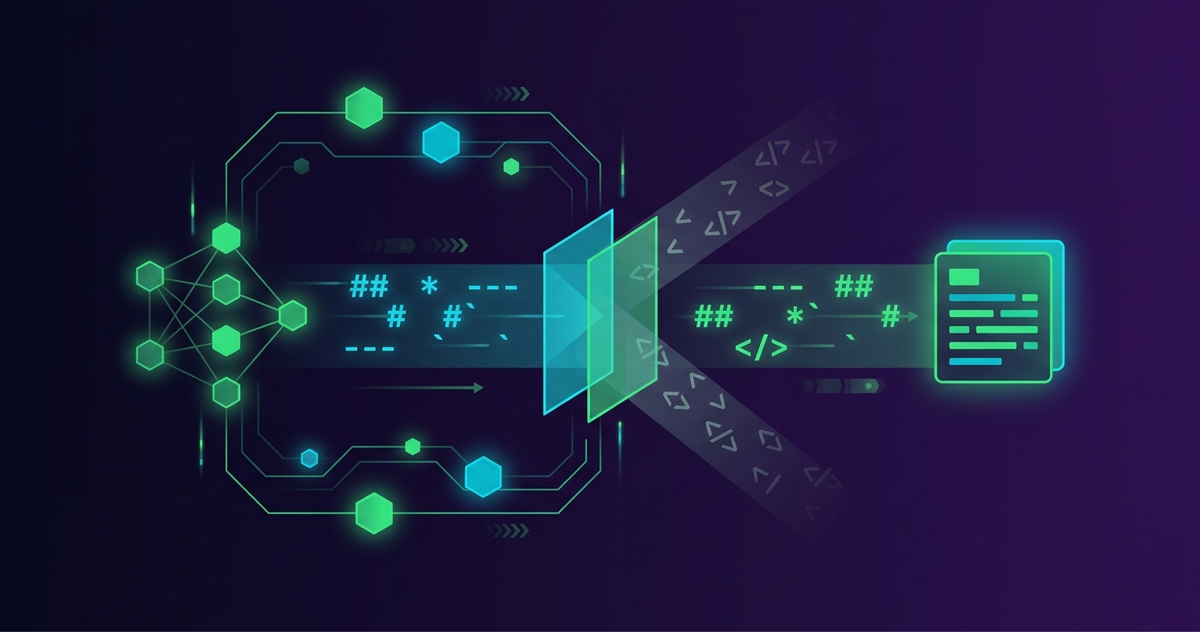
Serving Markdown Instead of HTML to AI — Taking zench-aine.io to Level 3 (Markdown Negotiation)
Markdown content negotiation means returning clean Markdown instead of HTML to AI agents that send Accept: text/markdown. We read the remediation prompt from Cloudflare's scanner, self-implement it in Next.js, and take zench-aine.io from Level 2 to Level 3 Agent-Readable.

We Raised Our Own Site's Agent Readiness — Taking zench-aine.io from Level 1 to Level 2 (Hands-On)
This hands-on follow-up is a work log of scanning our own site, zench-aine.io, with Cloudflare's Agent Readiness Score, fixing the failing checks, and moving it from Level 1 to Level 2. We share the judgment of which checks to focus on, the implementation code for Content Signals and llms.txt, and the before/after scores.

What Is Cloudflare's Agent Readiness Score — The 21 Checks Your Site Needs for the Agentic Web
The Agent Readiness Score is a free Cloudflare tool that scans a website and rates how prepared it is for AI agents across 21 checks in 5 categories. We unpack how isitagentready.com works, what it checks, and the strategy behind it — both the engineering and the business angle.
Claude Code Ships ultracode: xhigh Reasoning + Dynamic Workflows That Orchestrate Hundreds of Parallel Agents
Anthropic's ultracode setting (Claude Code v2.1.154+, May 28, 2026) pairs xhigh reasoning with dynamic workflow auto-orchestration that fans out 10s to 100s of parallel subagents. Covers triggers, runtime limits, Bun's Zig-to-Rust port, and how it relates to agent-skills' spec-implement.
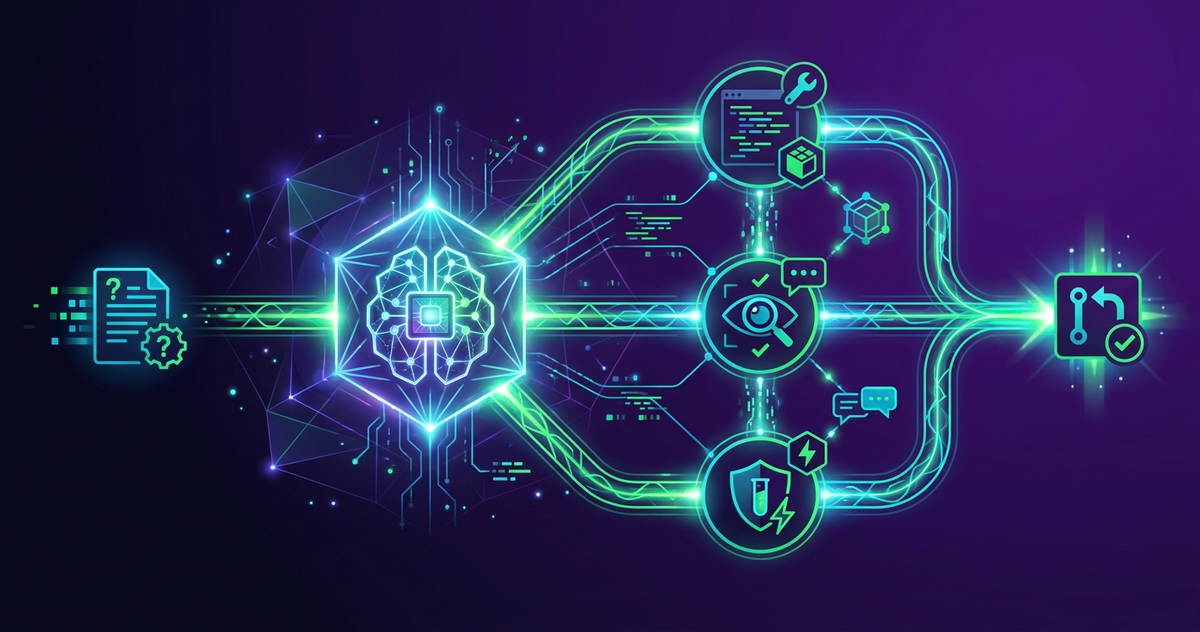
Spec-Driven Development in Practice #3: Implementation — Orchestrate to a PR with spec-implement
Final part of the agent-skills practical guide. spec-implement orchestrates spec-code, spec-review, and spec-test to drive an Issue to a PR with automated fix loops, plus Codex / Claude Code / cmux dispatch modes.
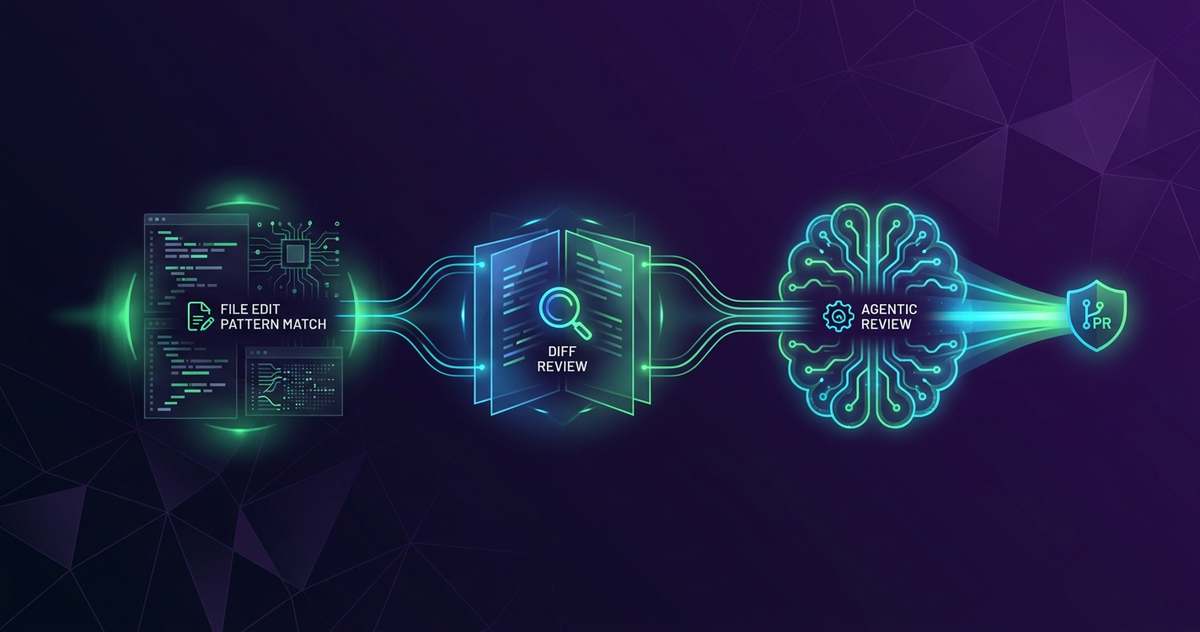
Anthropic Ships security-guidance Plugin for Claude Code: Three-Layer Reviews That Cut PR Security Comments by 30-40%
Anthropic's security-guidance plugin (May 27, 2026) runs three review layers inside Claude Code — per-edit pattern matching, end-of-turn diff review, and agentic commit review — to catch vulnerabilities before they reach a PR. Cuts security PR comments by 30-40% in Anthropic's rollout.
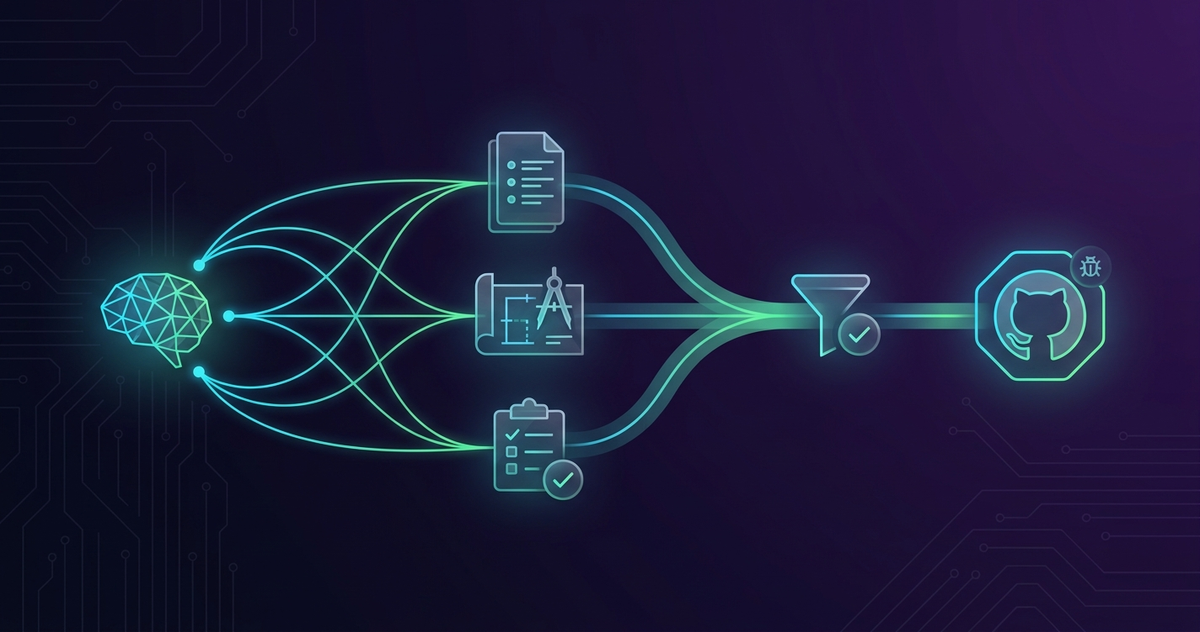
Spec-Driven Development in Practice #2: Generate, Validate, and Register Specs as GitHub Issues
Part 2 of the agent-skills practical guide. Use spec-generator to author the three-document set (requirements, design, tasks), spec-inspect to run 15 quality checks, and spec-to-issue to turn the result into a structured GitHub Issue — all in a single chained flow.

Spec-Driven Development in Practice #1: Setup — Define the Rules Your AI Should Follow
Part 1 of the practical guide to agent-skills' spec series. Use spec-workflow-init and spec-rules-init to generate issue-to-pr-workflow.md, coding-rules.md, and review_rules.md — the foundation documents that every later spec skill reads.

SpaceX IPO (SPCX) as an AI Stock: $1.75T Listing, Orbital AI Data Centers, and the Anthropic Compute Deal
SpaceX's 2026 Nasdaq IPO (SPCX) should be read as an AI stock, not just a space stock. The Colossus data center, the Anthropic compute deal, and the FCC million-satellite orbital AI data center proposal make AI compute, not satellite launches, the central narrative for SPCX.
Anthropic Agent SDK Credits Explained: Pricing AI Agents After OpenClaw
Anthropic Agent SDK credits are monthly programmatic-usage credits for paid Claude plans. They separate Claude Agent SDK, claude -p, GitHub Actions, and third-party Agent SDK apps from ordinary Claude subscription usage.
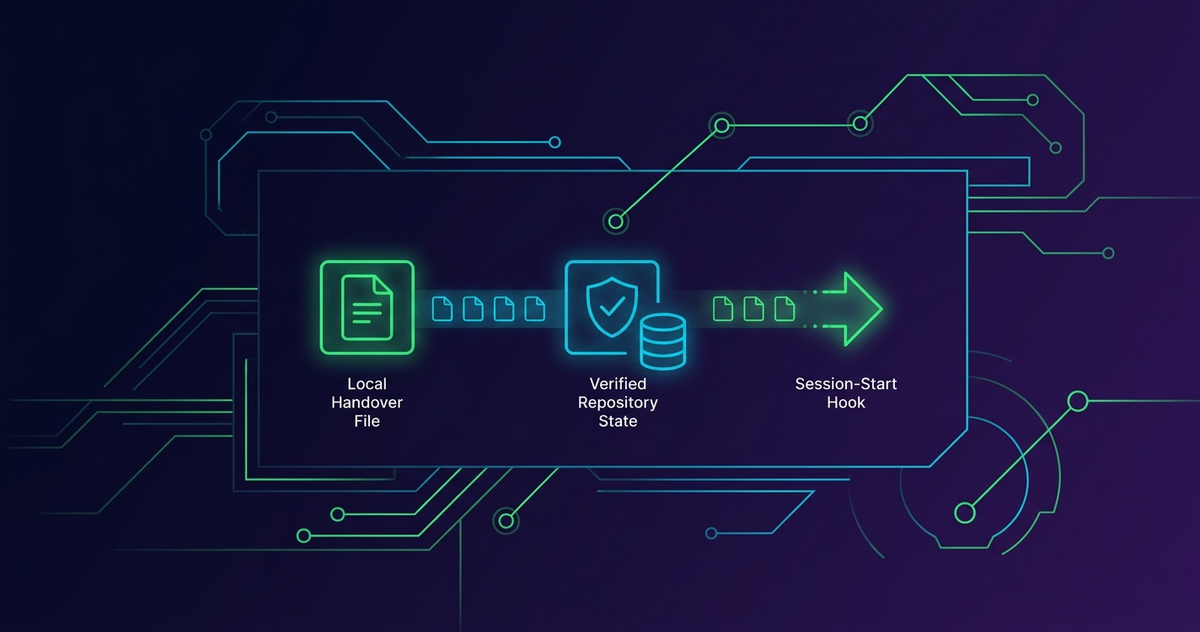
Open-Sourcing the handover Skill - Standardizing Context Handoff for AI Agents
The handover skill is an Agent Skill that captures AI agent work context in local handover files and lets the next session resume from verified repository state. This article explains why context handoff matters and how the skill is architected.
What Changed in GPT Image 2: Japanese Text Rendering, Banners, Avatars, and OpenAI's Prompting Playbook
GPT Image 2 is OpenAI's image model from April 21, 2026. Third-party tests report ~99% character accuracy on non-Latin scripts (Japanese, CJK), 2K-class output (4K experimental), up to 10 images per prompt, 16 reference inputs, and a thinking mode. Covers the 1.5 diff, Nano Banana 2, and prompts.
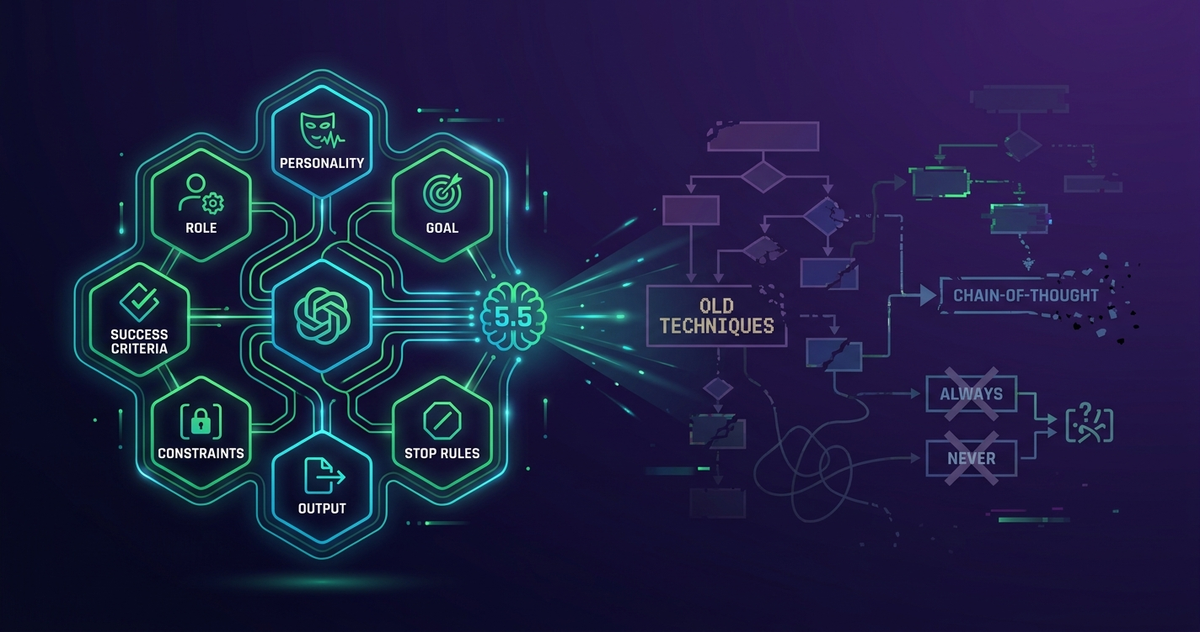
Why Old Prompts Hurt GPT-5.5: OpenAI's 7-Element Structure and the Fresh Baseline Strategy
GPT-5.5 prompt guidance is OpenAI's official directive for the new model family. It explains when chain-of-thought nudges and ALWAYS/NEVER rules backfire, the 7-element structure (Role, Personality, Goal, Success Criteria, Constraints, Output, Stop Rules), and the fresh-baseline migration strategy.
What Is GPT-5.5? Benchmarks, Pricing, and How It Compares to Claude Opus 4.7 and Gemini 3.1 Pro
GPT-5.5 is the latest AI model from OpenAI, released on April 23, 2026. It achieves 82.7% on Terminal-Bench 2.0 (state-of-the-art) and excels at agentic work. This article covers benchmarks, API pricing, and detailed comparisons with Claude Opus 4.7 and Gemini 3.1 Pro.

What Is Shopify Sidekick? The Winter '26 Upgrade, Real Usage, and How It Differs from ChatGPT
Shopify Sidekick is an e-commerce-specific AI assistant built into the Shopify admin. This article covers the Winter '26 Edition upgrades (Sidekick Pulse, Skills, Agentic Storefronts, Tinker), how it compares with ChatGPT, and how to start using it.
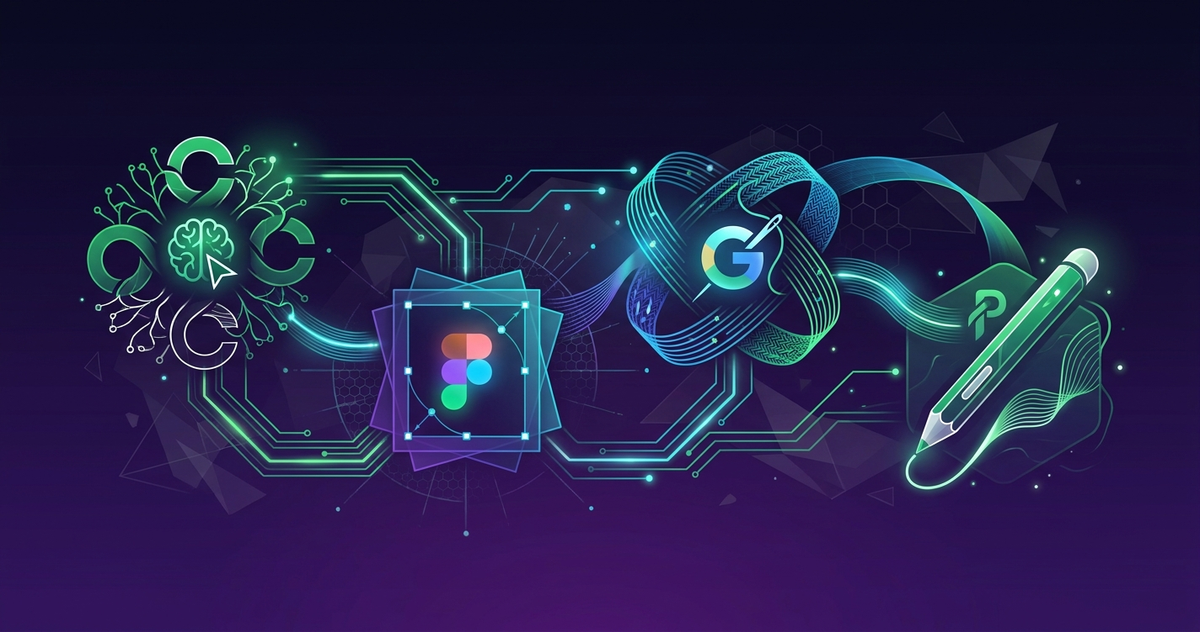
Claude AI Design vs Figma vs Google Stitch vs Pencil.dev: A 2026 Comparison Guide
Claude AI Design is a conversational AI design tool launched by Anthropic in April 2026. This guide compares it with Figma, Google Stitch, and Pencil.dev across features, pricing, and use cases.

What Is Hermes Agent? How a Self-Improving AI Agent Works and How It Compares to OpenClaw
Hermes Agent is a self-improving open-source AI agent developed by Nous Research. This article explains its closed learning loop that gets smarter with each task, installation steps, and a detailed comparison with OpenClaw.

Kimi K2.6: The 1 Trillion Parameter Open Model That Beats Claude Opus 4.6 — Setup Guide and Benchmark Comparison
Kimi K2.6 is a 1 trillion parameter open-weight MoE model from Moonshot AI that outperforms Claude Opus 4.6 on key benchmarks. This guide covers specs, competitor comparisons, and three ways to run it.

OpenAI's Official Codex Plugin for Claude Code — Setup and the Strategy Behind Shipping to a Rival
The Codex Plugin for Claude Code is OpenAI's official plugin that exposes `/codex:review`, `/codex:adversarial-review`, and `/codex:rescue` commands inside Claude Code. This article covers setup, usage patterns, and the market strategy behind OpenAI shipping an extension to a rival's CLI.

What Are Claude Managed Agents? The Era of Production-Ready AI Agents Has Arrived
Claude Managed Agents is Anthropic's fully managed execution platform for AI agents. It provides sandboxed execution, session management, and MCP integration as APIs, promising 10x faster agent development. Covers architecture, pricing, and quickstart.

DESIGN.md Guide — The New Standard for Communicating Design to AI Agents
DESIGN.md is a Markdown file format that documents a project's design system — color palettes, typography, spacing, and component specifications — to enable AI agents to generate consistent, on-brand UI. This article covers its origins, structure, writing practices, and ecosystem.

Introduction to Harness Engineering: Improving AI Agent Quality Through Environment Design
Harness engineering is a discipline for improving AI agent output quality and reproducibility through rules, skills, hooks, memory, and feedback. This guide covers this emerging approach after prompt and context engineering, with insights from OpenAI and Anthropic.

What Is Superpowers? The Agent Skills Framework That Turns Claude Code into a Senior Developer
Superpowers is an open-source agent skills framework that applies structured development workflows to AI coding agents like Claude Code. Through TDD, a 7-phase development pipeline, and composable skills, it dramatically improves the quality and reliability of AI-generated code.
Getting Started with Superset — Run 10+ AI Coding Agents in Parallel
Superset is a desktop application that orchestrates multiple AI coding agents in isolated Git worktrees for parallel execution. This step-by-step tutorial covers installation, workspace creation, agent execution, and code review workflows.

Pencil.dev Explained: How It Compares to Figma and Why Engineers Love It
Pencil.dev is an AI-native design tool that runs inside your IDE, enabling Design-as-Code with Git version control. Learn how it compares to Figma, its MCP integration with Claude Code, and practical setup steps.
What Claude Computer Use Changes — When AI Starts Operating Your Screen
Claude Computer Use is Anthropic's feature that allows the AI agent Claude to autonomously operate apps, browsers, and files on a user's macOS desktop. This article examines what Computer Use can do, how Dispatch enables remote task assignment, and what this shift means for developers and organizations.
Announcing cmux Skills for agent-skills — fork, delegate & second-opinion for Multi-Agent Orchestration
We released three new cmux skills for agent-skills: cmux-fork for conversation branching, cmux-delegate for cross-agent task delegation, and cmux-second-opinion for independent code review. This article explains why we built them and how to use them.

cmux Official Skills Deep Dive — Terminal Control, Browser Automation & Markdown Viewer
cmux official skills are instruction sets that enable AI agents to autonomously control terminal layouts, automate browser interactions, and display live Markdown previews. This article covers all commands and practical patterns for the three official skills with code examples.

How Vite+ and Void Are Reshaping Frontend Development — Impact on Next.js and Vercel
Vite+ is a Rust-powered unified JavaScript toolchain developed by VoidZero. Void is its deployment platform, enabling full-stack app deployment with a single command. This article analyzes the full picture of Vite+ and Void, how they change the developer experience, and their impact on the Next.js and Vercel ecosystem.
Announcing mcp-convert — Migrate Claude Code MCP Settings to Codex CLI with Agent Skills
mcp-convert is an Agent Skills skill that automatically converts Claude Code's MCP server settings into the config.toml format used by OpenAI's Codex CLI. This article covers the challenges of MCP configuration management in the multi-agent era, and explains how mcp-convert works.

Codex Security vs Claude Code Security — Comparing the Two AI Security Agents
A head-to-head comparison of OpenAI's Codex Security and Anthropic's Claude Code Security. We cover release timelines, detection track records, pricing, and practical guidance for engineers.
Hands-On with Google Workspace CLI (gws) — Gmail, Drive, and Calendar from the Command Line
Google open-sourced a Workspace CLI called gws. We walk through installation, OAuth setup, and hands-on usage with Gmail, Drive, and Calendar — step by step.
Getting Things Done with cmux Alone — Pane Splitting, Built-in Browser, and lazygit
A practical guide to handling 80% of your daily development workflow in the terminal using cmux pane splitting, its built-in browser, and lazygit.
Full IDE in the Terminal with Yazi + Neovim — File Trees and Code Navigation
A practical guide to building a VSCode-equivalent IDE environment entirely in the terminal by adding the Yazi file manager and Neovim (LazyVim) to cmux.
Getting Started with cmux — A Terminal Built for AI Coding Agents
cmux is a macOS-native terminal designed for AI coding agents like Claude Code and Codex. This guide covers installation, core features, and practical workflows for running multiple agents side by side.

The Anthropic Shock That Wiped Out $285 Billion — Inside the SaaS Crash and What to Buy in the AI Era
In February 2026, the Anthropic Shock erased $285 billion from SaaS stocks. We break down IBM's worst crash in 25 years, the ripple effects on Japanese SaaS, and what top investors like Cathie Wood say about which stocks to buy in the AI agent era.
![Read This Before Spending $700 on a Mac mini. OpenClaw Runs for Free [Complete Guide]](/images/media/openclaw-oracle/01-openclaw-top.png)
Read This Before Spending $700 on a Mac mini. OpenClaw Runs for Free [Complete Guide]
A step-by-step guide with screenshots showing how to run the popular AI agent OpenClaw on Oracle Cloud's free tier. No Mac mini needed — get a 24/7 AI assistant running at zero cost.

Codex Multi-Agent Deep Dive — Can It Replace Claude Code?
A technical deep dive into OpenAI Codex's multi-agent capabilities, compared against Claude Code's Agent Teams. We examine architecture, benchmarks, and real-world usability to assess whether Codex is a true alternative.

Claude Code Auto Memory Explained: How AI Learns Across Sessions
A deep dive into the Auto Memory feature introduced in Claude Code v2.1.32 — how it works, directory structure, how it differs from CLAUDE.md, and practical tips for getting the most out of it.
What Are Agent Skills — Adding Reusable Capabilities to AI Agents
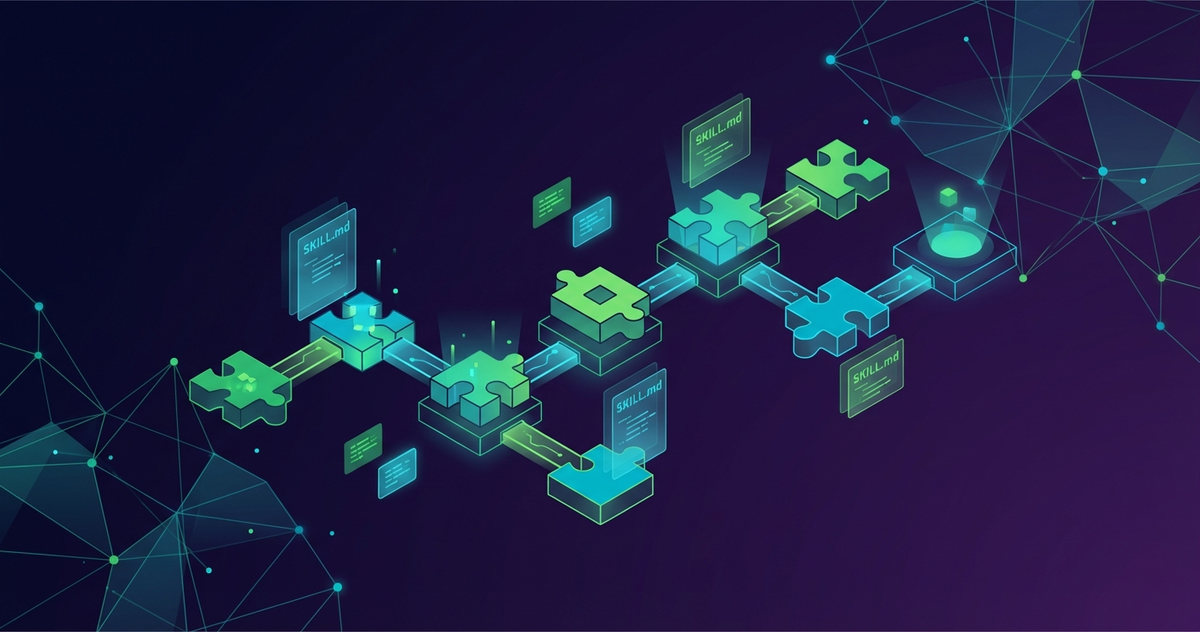
A technical deep dive into Agent Skills and the SKILL.md format: how they work, supported agents, skill structure, installation methods, and how to build your own.
Spec-Driven Development in Practice — A Development Workflow for the AI Agent Era
A comprehensive guide to Spec-Driven Development: the philosophy behind it, how it differs from vibe coding, the concrete workflow, the structure of generated artifacts, and how to adopt it in team settings.
From Failure-Proof to Challenge-Ready — 20 Years of IT Project Management Evolution
From the waterfall era of 2006 to today's agile and DevOps world. What changed, what didn't, and why it's time to update our project management mindset from 'failure-proof' to 'challenge-ready.'
In the AI Era, Everyone Becomes a PM — The Engineer's New Survival Strategy
When AI writes the code, engineering work shifts from How to What, and then to Why. Tech selection, team building, decision-making — why a PM mindset is now every developer's survival strategy.
The End of the RFP and the Rise of Scope — Modern Tactics for the Money Fight
The 20-year curse of lump-sum estimates, the new trap of LLM-generated RFPs, and what MVP actually means. A tactical guide to navigating budgets and scope in modern project management.